High Spirits at Gin Festival London

image

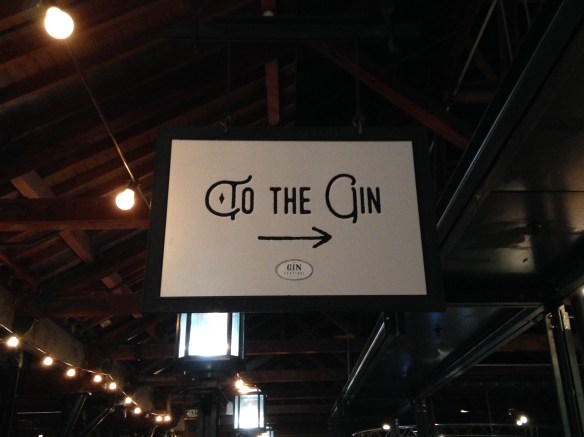
Beer festivals have, seemingly, been around for ever with Oktoberfest, generally recognised as the world’s largest beer festival, originating way back in 1810.  Nowadays  there’s a festival to cater for all passions, from cheese to chicken wings, but as recently as 2012 there was no festival devoted to gin.  Gin lovers, and husband and wife, Jym and Marie Harris decided to change all that and Gin Festival was born.

Continue reading

Dà Mhìle Orange 33 & Seaweed Gin

image

It is fairly common for a new distillery to start making gin before moving onto whisky.  Gin, which can be sold as soon as it is made, offers a relatively quick financial return in comparison with whisky which (due to legal requirement) must be aged before it is commercially viable.  This helps to explain why approximately 70% of the gin produced in the UK is made in Scotland.  What is much less common is for a gin to have its origins in whisky production, but this is the case in the story of Welsh distillery Dà Mhìle.

Continue reading

Rock Rose Gin Summer Edition

image

On one of the northernmost tips of the British Isles, in Dunnet Bay, lies a distillery, and a gin, born of the earth.  Martin and Claire Murray opened Dunnet Bay Distillers in August 2014 with the goal of creating spirits which “reflect the Caithness way”.  It took over 55 experiments to perfect their gin recipe but they eventually settled upon a combination of local and traditional botanicals, which only they know, and Rock Rose Gin was born.

Continue reading

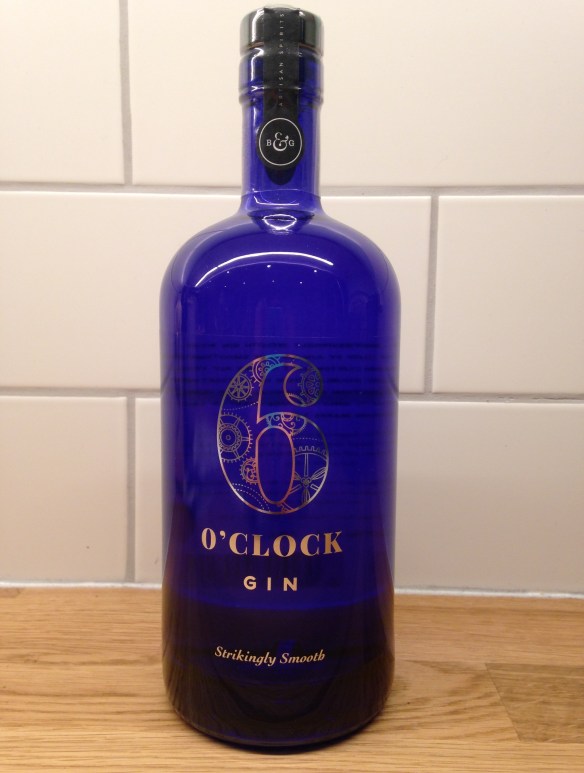
6 O’Clock Gin

image

Now, more than ever, people like to know the provenance of the food and drink they consume and you can’t argue with the provenance of 6 O’Clock Gin.  6 O’Clock Gin is produced by Bramley & Gage, a family-run business still going from strength to strength after 28 years.  Now a working distillery based outside Bristol, Bramley & Gage was cultivated on a fruit farm in South Devon in the mid-1980s.  The farm itself wasn’t doing particularly well so founders, Edward Bramley Kain and Penelope Gage, started experimenting with surplus fruit to make strawberry, raspberry and blackcurrant liqueurs using a traditional french maceration method.  The liqueurs were a great success and it wasn’t long before a sloe gin was added to the range.

Continue reading